Bewegung
Why Movement Decides Quality of Life, Not Just Fitness
When people think about movement and longevity, they often picture cardio training or step counts first. The actual science behind it is far more specific—and more surprising.
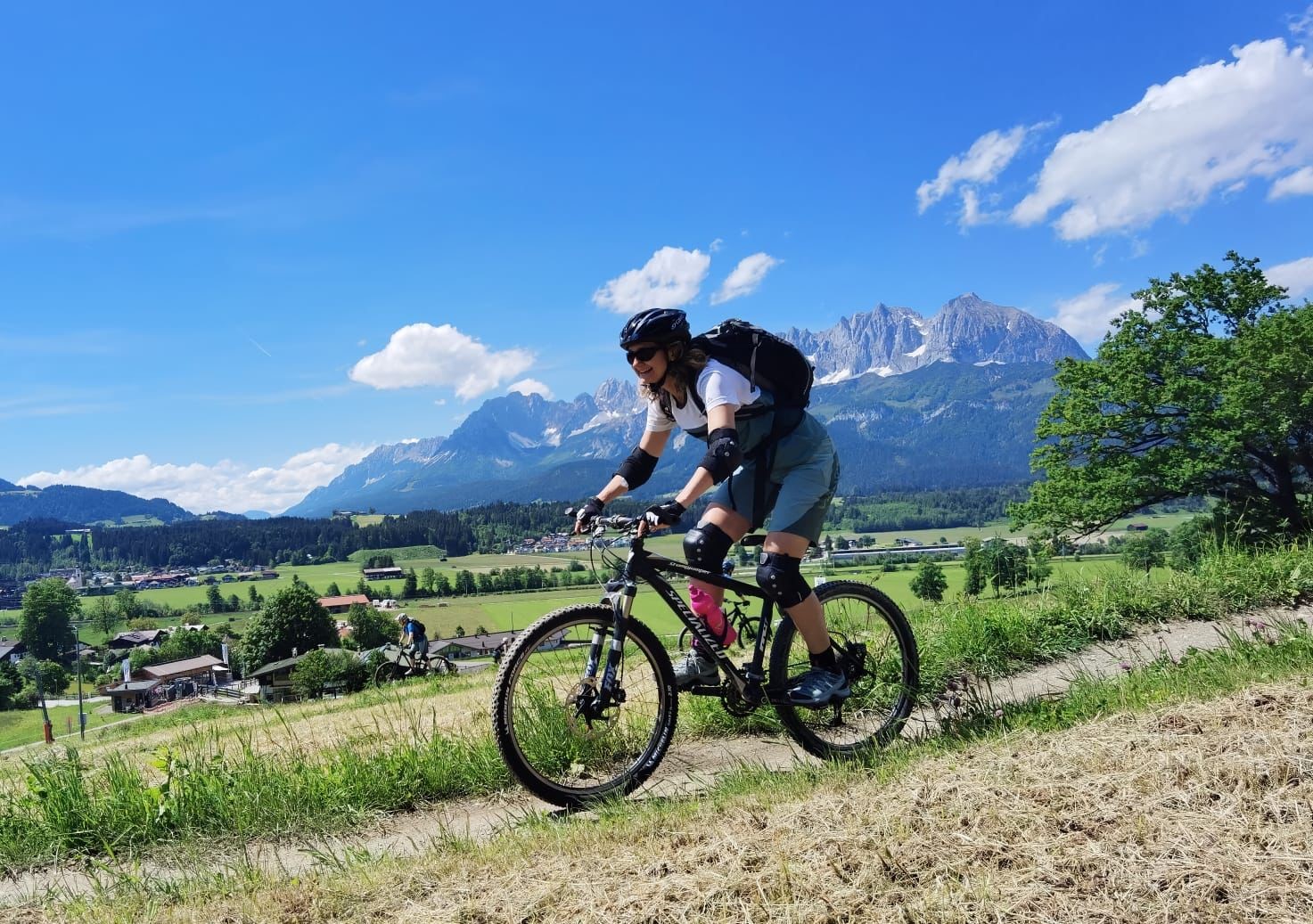
When people think about movement and longevity, they often picture cardio training or step counts first. The actual science behind it is far more specific—and more surprising.
Muscle mass is an organ, not an accessory
From the age of 30, people who do not train specifically lose an average of 3 to 8 percent of their muscle mass per decade—a process that accelerates after the age of 60. This loss, known in research as sarcopenia, is one of the strongest predictors of frailty, fall risk and mortality in old age.
Muscle is far more than pure strength. It regulates blood sugar metabolism, influences insulin sensitivity and acts like an endocrine organ that releases inflammation-regulating messenger substances. Strength training is therefore not an optional addition to endurance sports, but one of the most effective single interventions for healthy longevity that research currently knows.
Movement also works at the cellular level
Regular physical activity has a positive effect on mitochondrial function, i.e. energy production in the cells. It reduces chronic inflammatory markers and is associated with a slower shortening of the telomeres, the protective caps at the ends of chromosomes that are considered a marker of biological ageing.
Why motivation alone is not enough
The biggest barrier to movement is rarely a lack of knowledge. It is sustainability. Behavioural research shows that routines based purely on willpower are typically abandoned after a few months. Long-lasting movement habits usually arise where an emotional or social factor is added: joy, community, recognition or a clear personal sense of purpose.
This observation aligns with current approaches in behavioural medicine, which show that habits are easier to establish when they are linked to a positive feeling rather than pure discipline.
What this means for everyday life
It is less about the perfect training programme and more about a form of movement that can be maintained in the long term. Strength training two to three times a week is considered the best scientifically proven single measure, combined with daily movement such as walking.
Experience it at longevity.days
At the longevity.days on 30 and 31 January 2027 in Fürstenfeldbruck near Munich, experts will show how individual movement diagnostics work and which form of training actually suits your own biology—not just the current trend.
Sign up for the newsletter now and secure your place for the longevity.days 2027.